UDIDIT

UDIDIT
The home of high quality training.
Showing posts with label pass your driving test. Show all posts

Friday, 11 June 2021

Driving Lessons - Where will my Instructor pick me up and drop me off?

"Hi, I've got a lesson later today can you pick me up from.....?"

Or...

"Do you mind if you drop me off in town at the end of the lesson?"

Your Instructor might be able to, but don't be surprised if the answer is a polite no!

There may be a number of reasons for this, but it definitely isn't just to be awkward.

Most Driving Instructors set their diaries up to provide lessons of between one or two hours duration. This means they are teaching quite a few different pupils each day and usually over a weekly cycle. Your instructor will agree a pick up and drop off location at the time of booking and then fill their diary spaces with pupils from a similar location. 

To keep costs down and to maximise their use of time, they organise enough time between lessons for travelling to the next pupil and to take a short break - it can be hard work teaching people to drive, so regular breaks are required. 

In these pandemic times we even have to plan a cleaning down break or a comfort break as many of the usual local public toilets have been closed.

In addition to this they will have to consider the impact this request will have on the lesson plan and how suitable the location is to your level of ability and also the impact it will have on arriving on time for the next pupil.

I recall a pupil asking, as his lesson started, if he could be dropped off in the area we intended to practice, which was around a 15 minute drive away from his home. My next lesson was due to start 15 minutes after his ended and his home was 10-15 minutes from my next pupil - but in the other direction from where he'd asked me to drop him off. This would have meant we finished the lesson half an hour away from my next pupil. Do you see the problem? 

This would have had a knock-on effect with all of my subsequent bookings and put me behind schedule for the rest of the day. 

I gave him two choices - both are in my terms and conditions; either finish at home as was agreed when booking the lesson or end his lesson fifteen minutes early to allow me the time it would take me to travel back. This travel time is taken from the scheduled lesson time. He chose to be dropped off early. 

On the next lesson he insisted that I owed him fifteen minutes extra because he'd finished early. I had to politely explain that when booking he had booked an hour of my time. His obligation when booking was to pay for the time he had reserved as no one else could use that time. 

It's wise to keep in mind that you are employing the services of a professional - you are paying for both their time and expertise.

My best advice is to plan your commitments around your lessons so that they don't impact on your learning or your finances and remember that the lesson journey isn't just a drive around the area, it's planned learning time based on your learning needs.



Monday, 24 May 2021

Driving test tips - How to Save Money by Hiring a Professional


When you are working to a limited budget hiring a professional often appears to be a luxury. This is probably why DIY is so popular - it can't be that hard can it?

My garage is full of tools I've bought for a particular job and never used again, I've completed the job to a fair degree of satisfaction and saved some money but it never really looks like a professional has done it. My garage also has it's fair share of part completed 'projects' where what seemed to be a straightforward easy job turned out to be slightly more complicated than I'd imagined.

To a large extent this is the case with learning to drive. Loads of people can drive and therefore think it must be easy to teach someone to do it and part of me agrees - driving is not rocket science and even an amateur is allowed to teach you and there's a chance of passing the driving test, even when using techniques that are less than car or wallet friendly.
"If you think hiring an expert is expensive, wait until you hire an amateur"
So why pay a professional?

The difference lies in both the effectiveness and efficiency of learning from a professional.

The cost of learning is quantifiable and therefore it's really easy to see exactly what it costs and think "wow that's expensive." However, it takes a long-term view to see how the techniques taught by a good instructor could save you £1000's. The techniques an excellent instructor teaches you could save you even more.

Take for example the average driver's mileage of around 10,000 miles per year and the cost of fuel at 20p per mile, that's £2,000 per year. But what if you applied the fuel-saving techniques taught by your instructor and reduced this to 15p per mile, it would save you £500 per year.

I recently helped a pupil, initially being taught by her parents, get an extra 18 miles per gallon. Over a lifetime she could save enough money to buy a new car!

Added to these savings is the potential reduction in maintenance costs such as, amongst other things, replacing worn out clutches, brakes, tyres and steering and of course a reduction in insurance premiums by avoiding crashes.

You may not fail a driving test for using certain habits or techniques that are unlikely to be corrected when learning with an amateur, but over a period of time these are serial clutch killers. Habits such as 'riding the clutch' or occasionally unnecessarily 'slipping the clutch', or sitting at traffic lights in first gear with the clutch at the 'biting point' for long periods. These faults may not be deemed worthy of marking on a test but can take thousands of miles off the lifetime of the clutch. Considering that a replacement clutch is going to set you back a good £400-£600 these are expensive habits to have. This cost is comparable to around half of the current fee for learning to drive with a professional. The difference being, you only pay to learn to drive once. When treated well a clutch can last the lifetime of the car, yet if treated poorly may need to replaced regularly.

Another common habit we see that leads to additional wear and tear is changing down through each gear instead of using the more effective, and cheaper to replace, brake components . You really don't want to know what it costs to replace a gearbox.

I often recall a conversation I had with a friend many years ago. He was buzzing because he'd just taken his 4 year old car for a service and he still had 50% of his brake pads left.
"Not bad for 40,000 miles" he beamed.
I replied "that's interesting Rob, haven't you recently had your clutch replaced?"
"Yes" he said.
"How much did that cost you?"
"About £400"
"Oh, and how much would it have cost you to replace your brake pads instead? About £40?"

He didn't reply, but you could see the sudden dawning of realisation on his face.

You may have noticed that I've used the words 'could' and potential' a lot so far. This is because these savings rely on YOU doing what you've been taught, not just in the first few weeks of driving but for a lifetime (a lifetime that can be greatly reduced if you don't). And don't listen to that nonsense about learning to drive properly once you've passed your test, this just makes others more comfortable with their bad habits. You're as much an expert as they are.

Saving a few quid here and there may seem like a good idea in the short-term and I'm all for parents or friends helping out by giving learners the chance to gain experience in addition to driving lessons and actively encourage this, but a wise person should look at the money they are paying for an Approved Driving Instructor as a long-term investment in theirs or their child's future.

Something that has stayed with me is a phase my old House-master at school often said "the saddest two words in the English language when put together are...if only"

He's right you know.

For expert driving tuition or driving tips visit my website www.udidit.co.uk


Sunday, 16 May 2021

Insider Tips to Save Money When Learning to Drive


I make a living out of teaching people to drive, so I shouldn't really be telling you this, but there are a number of ways you can save money when learning to drive.

1. Don't just think you are only learning when sat at the side of your instructor. If you study the Highway Code and other books frequently in the periods between lessons and get to know and understand the rules, you can spend less time talking and more of your lesson time experiencing the wide range of situations you'll need to deal with on your test. Result - fewer lessons

2. Practice with friends or family. As long as you're insured and the person supervising you is at least 21 years old and have had their full driving licence for 3 years or more then this is perfectly legal. Make sure you speak with your instructor first to ensure you are ready for private practice without the help of dual controls. Result - fewer lessons

3. Ask your instructor if you and a friend can learn together. You get to sit in the back watching and listening to your friend's lesson and therefore learning from any explanations the instructor gives or any mistakes your friend makes and vice versa. And you get twice as long for your money. Result - fewer lessons

4. If you can help it don't take 1 hour per week at the early learning stages. If you can afford it, try to fit at least a couple of 90 minute lessons in each week. This helps you retain more information over a shorter period of time. You can always reduce this when practising with friends or family. Result - fewer lessons

5. Watch YouTube videos. There are loads of good ones showing you what to do and there are even official videos showing you what to expect on the test. This visual way of learning helps you retain more information. Result - fewer lessons

6. Make sure you're ready for your test. There's the test fee to consider and the cost of a double lesson on the day. Don't go if you're not ready as this results in you paying for another test and more lesson time. Ask your instructor to conduct a number of mock tests and to keep you regularly informed on your progress. DVSA provide free Progress Records. Result - fewer test attempts

7. During your lesson, listen carefully to what your instructor is telling you. Ask questions if you don't understand and make notes whenever possible. Reviewing these notes after your lesson will help you retain information longer. Result - fewer lessons

8. Avoid being suckered into cheap deals. As the saying goes, you only get what you pay for and you could end up spending more in the long term. Result - fewer tears before bedtime and fewer lessons

9. Tell your instructor if you don't feel you are progressing well enough and come up with a plan to help progress more. If this doesn't work you should consider changing your instructor. Styles clash sometimes and you may find a different style suits you better. Result happier lessons and fewer of them.

10. Make it important that you do well and learn to drive safely and responsibly. Being a good student and having the right attitude to learning means that you will achieve your goal sooner. Result - fewer lessons and fewer tests.

There you have it straight from the horses mouth. If you study well and find the right instructor for you, there's no reason for you to scrimp on quality, even if you are on a tight budget.

For more expert tips visit www.udidit.co.uk 

Driving test tips - Use of Signals - Learn how and why they are important

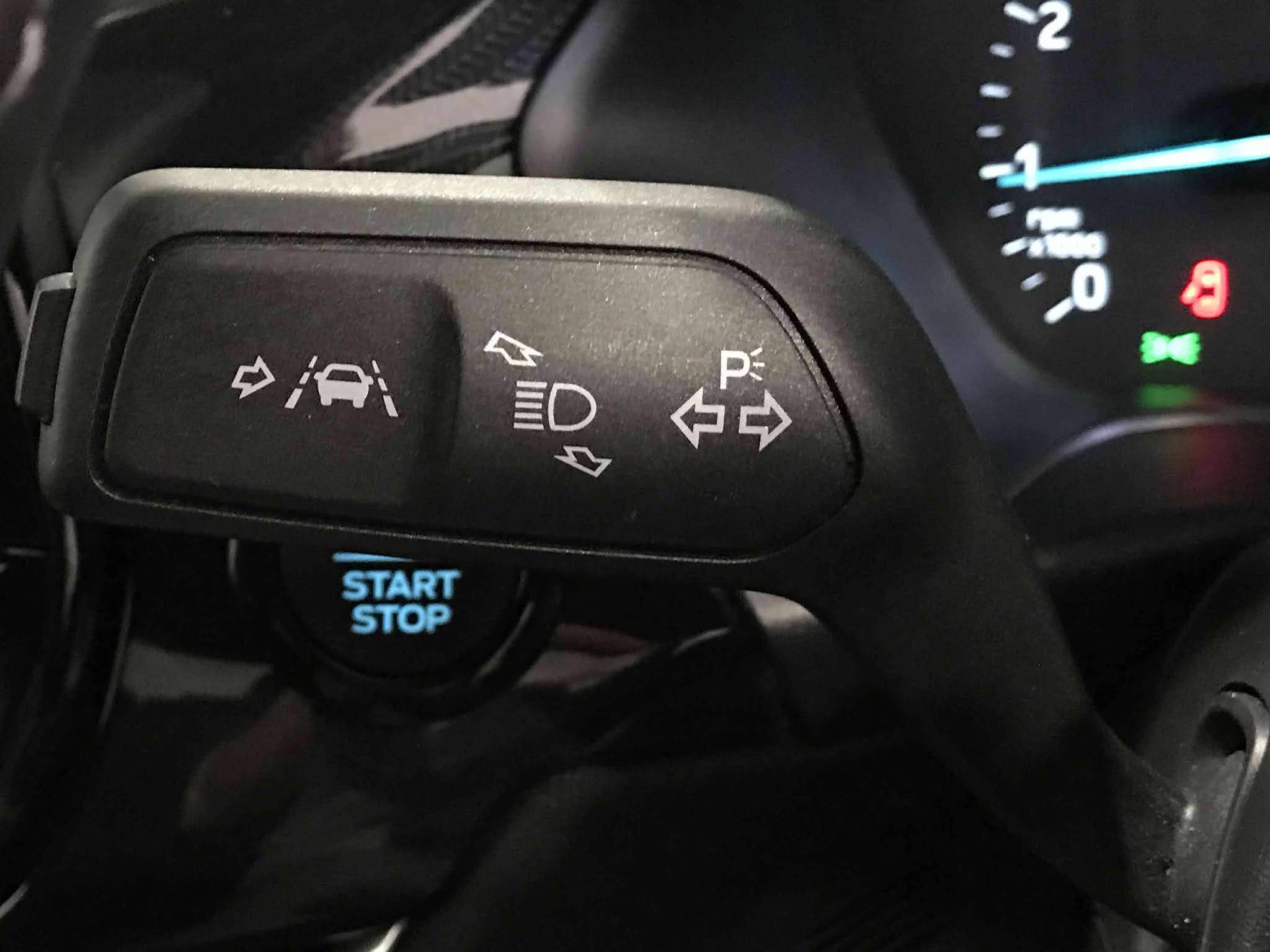
This type of switch can even be found in German cars 

"Giving a signal is not an instruction to other road users, it's a signal of our intentions which helps them make good decisions."

Signaling incorrectly or not at all is a certain trigger for an angry response from other road users and pedestrians alike. You may have heard the stereotype insult that BMW or Audi drivers don't signal, but the reality is that drivers of any vehicle are just as guilty. Failure to signal properly at roundabouts is one of the key reasons learner drivers struggle when trying to predict the actions of the other drivers. 

The expected standard is to give the correct signal, properly time this signal and in a situation where it is necessary to signal.

The 'correct' signal depends on which direction you intend to go, 'properly timed' means that it's not given so early that it has the potential to confuse someone or so late that they can't respond in time and 'where necessary' means when it is essential to avoid causing danger or potential danger.

If you get this wrong, then confusion can lead to mistakes and mistakes can lead to collisions. This is why other people often react angrily.

The actions of a good driver will be easily predicted. It is essential to use the Mirrors, Signal, Manoeuvre routine.

The use of signals is directly linked to situational awareness. Without this awareness it is simply left to chance whether you get it right or not. Before taking any action which involves changing speed, direction or signaling you will need to check all around so that you can make a good decision. 

I'm often told by pupils who are practicing with family or friends that they've been asked why they aren't signaling every time they move away from the side of the road or before pulling up to park. There seems to be an impression that this standard has somehow changed since they were taught to drive. The standards have been the same for decades - if you look around and you are sure that a signal is unnecessary, then there is no need to give one.

Simply signaling every time regardless of the situation leads to lazy or ineffective observations and doesn't help learners develop a good sense of situational awareness. 

A good driver will look all around, assess the risks and the need for a signal, and then give a signal where necessary and at the correct time.

"My Dad says I need to signal every time I pass a parked car."

Based on what you've just read, what's your answer to this question?

It's also important to remember that signals aren't just for other drivers. Pedestrians also need good information to avoid danger. Another common question is "do I need to signal at a junction where it says turn left only?" 

The answer to this is "If you think it might help someone decide not to cross the road, then it's necessary"

We can't assume that a pedestrian is aware that it's a left turn only junction.

Whilst we have been focusing on directional signals it's important to remember that there are other signals we can use. We have brake lights warning that we are slowing or stopping; we have reverse lights warning that we are reversing; we have hazard warning lights used to warn that we are causing a temporary obstruction or are slowing rapidly on a motorway or national speed limit dual carriageway and of course we still have arm signals at our disposal should we feel the need to support other signals.

One other less obvious signal of our intentions is to position correctly, this helps others interpret what we intend even if they can't see our signals. This will be the subject of a future blog.

Whichever signal you intend to use, you will need to be situationally aware before you use it.

On your next lesson, ask yourself "Do I need to signal? Which signal do I need? When should I signal?"

For expert driving tuition or driving tips visit my website www.udidit.co.uk

Driving test tips - Follow these easy steps to Pass Your Driving Test First Time


Introduction
It is easy to see why many people believe that the most important part of learning to drive is learnt simply by driving the car. It's true that mastering the necessary practical skills is definitely an important part of learning. You will need a good level of practical experience to co-ordinate the controls and also a good deal of experience in varying situations in order to be confident in the decisions you are making and the actions you are taking. But practical skills and experience form only part of what it takes to learn to drive safely and responsibly. 

To learn fully and effectively there are four main elements of learning; Knowledge; understanding; attitude and practice. 

Gaining Knowledge
Nobody likes a know-it-all until it comes to driving. Then every other road user depends on you to know what to do and then do the right thing. If you don't know what to do in a driving situation then you can take too long to make a decision and have an equally good chance of making the wrong one.
This makes you unpredictable and this scares other drivers because it increases the risk of a collision. If you've ever felt annoyed at the person in the supermarket who stops without warning, you'll know how other drivers feel when you are unpredictable.
Lack of knowledge also increases the risk of you breaking a law which could result in a fine or even a driving ban.

Your level of knowledge affects the decisions you make and actions you take when driving. During the test your driving examiner will check to make sure you can consistently make the right decisions and take the correct actions - any gaps in your knowledge are likely to show up in your driving and may result in faults being marked.

What you can do to help yourself learn: Knowledge comes through study, so study frequently - the official publications "the Highway Code" and "Driving - the essential skills" are highly recommended reading materials for all drivers.

Developing Understanding
Knowing what to do is not always enough to convince you that it is the right thing do or even important to know. Sometimes we need to explore the reasons why this is the best thing to do in order to accept it.
Understanding can be developed through 'doing', so it is important to practice doing the right things.
Take this example; Normally you'd position your car about a metre from the kerb. There's not much to remember and it might not seem that important, but when you explore and consider the reasons why this distance is an important safety margin and then experience the benefits, you develop a better understanding, and in turn a good understanding helps develop a good attitude.

What you can do to help yourself learn: Don't be afraid to ask questions during your lessons,especially if you don't understand or agree with something - in fact your driving instructor encourages you to do so as this not only helps broaden your understanding, it also helps the instructor understand how to support your learning better. A poor understanding can lead to mistakes and mistakes lead to crashes. 

Demonstrating a Good Attitude
When you become a driver, you become a member of one of the biggest team participant events there is. In this team everyone depends on one another's co-operation. Some of the team are more experienced than others and some not as good as others - what we all have in common is that we all make mistakes from time-to-time.
We have to show tolerance of other's mistakes and actions because once you become annoyed or upset, your decisions and actions are affected and you become part of the problem, which ultimately increases the risks.

During the test your examiner will be monitoring your attitude to check that you are able
demonstrate tolerance and patience whenever necessary.

What you can do to help yourself learn: You need to become self-aware and recognise the behaviour in other drivers that makes you annoyed or angry and ask yourself why this is. Some drivers get annoyed simply because they've given way to an oncoming vehicle and the driver doesn't wave to say thanks - do you really need to put your own safety and that of others at risk by driving angrily for such a minor reason? Do you really need to be acknowledged every time you give way to someone? Instead, take comfort and pride from the fact that you were courteous and safe.

Developing Your Skills Through Practice
You will need to develop your practical skills and there's only one way to do this and that is by practising.
The key is to practice doing things the right way otherwise you will become very good at doing it wrong.
The sign of a good driver is well coordinated use of the foot controls and steering. This results in smooth driving which is unhurried.
During the test your examiner will check that you can maintain full control, and as you may expect, a loss of control can result in a fault being marked.

What you can do to help yourself learn: Once you have achieved a good level of coordination ask your instructor if they feel you are ready to practice privately with a suitable family member or friend. Remember though that you MUST be insured to drive any car you drive and the person supervising you MUST be over 21 years old and have had a full licence for at least 3 years. 

There's no real secret to passing first time, you just  need to take responsibility for studying to improve your knowledge, improving your understanding, developing a good attitude and getting plenty of practice with a professional instructor and private practice.


For expert driving tuition or driving tips visit my website www.udidit.co.uk
© UDIDIT Driver Training 2021 

Driving test tips - Animals In The Road - Emergency Stop or Not?

An alert driver who is planning ahead and driving at a suitable speed for the road and traffic conditions should have plenty of time to see a hazard and reduce speed safely or even bring the car to a gentle stop. Awareness, anticipation and planning are the key to avoid sudden braking or performing an emergency stop.When learning to drive or during the driving test your instructor or examiner will ensure that it is safe to perform the simulated emergency stop by checking that there is no one following close behind.

There are, of course, some occasions when even the best of us get caught out by a sudden danger, such as a vehicle or child crossing our path and it is entirely reasonable to perform an emergency stop. If the following driver hasn't left a sufficient gap and cannot stop in time then it can be successfully argued that they could have avoided the collision had they done so. However, slamming on the brakes for no apparent reason is clearly potentially dangerous and the Court would look at the reasonableness of doing so.

When it comes to making an emergency stop for an animal it would appear that reasonableness is based on the type and size of the animal. It may be deemed more reasonable to perform an emergency stop for an animal large enough to cause damage to the vehicle or injury to the occupants and by law you must report hitting some types of animals, as specified in the Highway Code, such as, dogs; horses; cows or sheep.

A Court may deem it unreasonable to perform an emergency stop for a small animal or bird but as any reaction could simply be instinctive they will look at each case individually and it could again be argued that the following driver could have avoided the collision.


Saturday, 15 May 2021

Driving test tips - Parking on the right - Do this to avoid failing

In this blog I'm going to focus on the relatively 'new' driving test manoeuvre of pulling up on the right-hand side of the road and reversing two car's lengths parallel and reasonably close to the kerb and then rejoining any traffic flow on the left. Although you will not be asked to park between vehicles, the reverse element simulates reserving to improve your view before emerging from between parked vehicles.

The skills being tested are; 

  • choosing a safe, legal and convenient place to pull up on the right and pulling up safely
  • reversing under control, with effective observations before and during the reverse, reversing accurately
  • moving away safely and under control using effective observations before and during the move away to rejoin the flow on the left
The important skill it doesn't test is deciding whether or not you should choose to do this manoeuvre - this element is vitally important.

Introducing this manoeuvre to the test has caused the biggest stir among driving instructors, who for many years have passed on the best advice in the Highway Code (rule 239) which advises, among other things, "do not park facing against the traffic flow". 

This is still good advice and parking with the flow of traffic is preferred unless there's a very good reason not to.

It's important to note that during daylight hours it isn't actually against the law to park against the flow, it's just more risky than parking on the left, hence the Highway Code's good advice. However, if you choose to ignore this advice and cause a collision, this may be used against you to form a prosecution for careless driving or worse. 

"You MUST NOT park on a road at night facing against the direction of the traffic flow unless in a recognised parking space. Laws CUR reg 101 & RVLR reg 24"

What a driver with a good understanding of the rules and laws knows is that there are often exceptions for circumstances beyond their control. Highway Code rule 248 specifically tells you when this exception is. Your responsibility as a driver is to know when it is necessary to do something; when it is safe to do it and when it is legal.

Parking against the flow of traffic has additional dangers, such as; oncoming drivers misunderstanding your intentions; your headlights may be dazzling oncoming drivers and when parked your vehicle is displaying the wrong colour reflectors which can mislead other drivers in poor visibility conditions. 

If the Highway Code advises against this and it involves higher risk, then why would the DVSA include this in the driving test? 

Well, the key factors include the real-life 21st century issue where parking in many places has become more and more difficult due to increased car ownership. This has in turn forced local authorities to manage on-road parking more heavily. In my local city of Nottingham, it's almost impossible to park anywhere except in a recognised parking place and often there are parking restrictions on the left, leaving only the recognised spaces on the right. 

For years driving instructors hadn't been teaching pupils to park against the flow and yet as soon as they pass their driving test, these pupils, just like millions of other drivers each day, take to parking against the flow as if it's acceptable in any circumstance. Because driver education hasn't focused much attention on this, the risks weren't highlighted well enough. By including this in the test, driver educators can raise awareness of the risks and produce drivers who can make sound decisions - 

Is it always necessary? No!
Is it always safe? No!
Is it always legal? No!

It's a driver's responsibility to know when it is acceptable to do this manoeuvre.

Just like every other aspect of driving, if you do not recognise how risky your actions are likely to be in the particular circumstances you are facing, it can be very dangerous. A good risk assessment should always be made and you may even conclude that it would be best to find somewhere to turn around so you can park with the traffic flow.

Most on-road recognised parking places are well lit, however, at night you need to consider; will I dazzle the oncoming drivers? Should I switch to side-lights? Is it legal on this road to use only side-lights? Is visibility seriously reduced? Should I park off road? Will my reflectors confuse another road-user?

Another huge risk factor is crossing oncoming traffic to rejoin the flow on the left. Would you have a good view of the road? Are you aware of the vehicle's blind spots (van drivers especially)? If you can't see, is someone able to help (just like reversing into a side-road)? How could you improve your view (reverse, creep and peep)?

You see, there's always some level of risk in driving whatever you're doing but the decision to park against the flow - or anywhere else - is more than a matter of habit or because "I live there." 

Parking on the right can be done safely as long as you are aware of the problems you might have and by considering and managing the risks. 


For expert driving tuition or driving tips visit my website www.udidit.co.uk

Friday, 23 April 2021

Driving Test Tips - Block Gear Changes - Learn how and why these are so important

Typical gear position layout


"Doesn't your instructor teach you to change down through the gears?"

During the pandemic lockdowns many learner drivers have been turning to their parents/grandparents to help them practice. This is generally welcomed and has more benefits than it does drawbacks, however, there are often clashes with the style of driving and techniques being nurtured by the instructor (officially considered best practice by the Driving and Vehicle Standards Agency) and the style and techniques an accompanying driver has developed since learning to drive (considered best practice by Mum or Dad)

Some of the common clashes are the use of gears, the use of the handbrake and steering techniques.

The most common clash, in my experience, is the use of gears. "Doesn't your instructor teach you to change down through the gears?"

The short answer is, no we don't, with the exception of beginner lessons where we may use this as a way of familiarising the learner with the gear positions. 

Out-dated techniques

In days of old it may have been necessary to change down one-by-one (sequential gear changing), but the flexibility of modern engines and the efficiency of modern braking systems means that we can use cars differently to those, for example, of the pre-1970's. 

This is not something that has changed recently - I was taught to drive in the early 1980's in a 1978 Toyota Corolla and was taught to block gear change way back then. I also used this technique when passing an advanced driving test in 1990 and the Cardington Special Test Grade A (super advanced driving test) in 2000.

There are a number of reasons why sequential downward gear changing is not best practice. These include; increased wear and tear on expensive components, increased fuel consumption and exhaust emissions, reduced car control and most importantly - under-developed situational awareness.

Best Practice! 

The terms used for missing out gears are 'selective' or 'block' gear changing.

There should be no need to rush gear changes. Smooth and even movements are best and this is made possible by planning ahead.

You need to be aware of the situation ahead. What is likely to make you change speed or direction and by how much? By anticipating changes to the situation and planning how you're going to cope with it, you will be able to make good use of the brakes and avoid unnecessarily changing through each gear. 

A driver who has developed good sense of situational awareness and judgment will be able to recognise how much the situation will make them slow down and is able to reduce speed using the brakes and then selecting the gear that matches the lowest speed matching the situation. This awareness is missing in drivers who change gear one-by-one out of habit rather than through good forward planning.

Common downward selective gear changes are  5th to 3rd; 4th to 2nd; or 3rd to 1st. A good driver will also be able to make good use of the brakes and clutch pedal timing to skip from any higher gear to any lower gear.

One obvious benefit in all of this, is that you are warning following drivers via your brake lights of your actions. Gears may help slow the car down by using the 'engine braking effect' but this technique gives no warning to following drivers and therefore increases the risk of a rear-end bump.

In addition, when braking, force is heavier on the front wheels, which is why front brakes are designed to be stronger than rear brakes. In a situation where you are changing down sequentially, your hand spends less time on the steering wheel and therefore less time under full control of the steering. 

It may seem like a matter of fine margins but fine margins are what defines 'practice' and 'best practice'. These best practices play a significant part in reducing the risk of crashes.

Do you know you can also block gear change up?

Again, a driver who has developed a good sense of situational awareness and judgment will be able to skip gears when accelerating. An example of this is when joining a dual carriageway where you need to match your speed to the flow. Third gear may give you the acceleration capability to quickly get to the required speed but once in the flow and the need for acceleration is replaced by the need for fuel-efficiency, it is beneficial to go from 3rd to 5th gear without selecting 4th. Commonly used block gear changes upwards are 2nd to 4th, 3rd to 5th, 4th to 6th.

Ask for clarification

If you are helping someone practice between lessons, please continue to do so, but if there is anything which you do not understand, for the learner's sake please don't try to change what they have been taught before communicating with their instructor.

Take care!

For expert driving tuition or driving tips visit my website www.udidit.co.uk

Sunday, 3 February 2019

Driving Test Tips - Highway Code or Myway Code?

One of the most frustrating parts of teaching people to drive is listening to pupils who tell me "my Dad says you only learn to drive properly once you've passed your test"

Is this really true or is it some well-intended but misguided advice?

It's true that experience teaches us many things but only if we are able to turn experience into a positive change of behaviour.

The problem is, the perception that there are two standards of driving means not everyone is speaking the same driving language.


I was recently drawn towards a TEDTalks video entitled "How to Learn a New Language in Six Months". Learning a language fluently in just six months is some achievement. This intrigue me, not primarily because I'm interested in learning a new language, but more for the insight into the teaching and learning techniques used.

As I watched the video it became clear to me that learning to drive has many similarities with 
learning a new language. A language student is taught the formal way of speaking and writing. However, when they listen to a native speaker, they often have no idea what the native is saying. You probably know from experience how frustrated or embarrassed you feel when you don't understand what someone is saying.

This is exactly the same for learner drivers. Driving is so much about communicating with others that it really is a language in itself and therefore it is little wonder there are so many misunderstandings on the road.

Highway Codian or Highway Code-ish?

Learner drivers are taught a formal and grammatically correct version of driving. A version that is available to everyone in the form of the Highway Code, however, once the driving test is passed, many of them quickly begin using the simplified "slang" version in an effort to fit in with their peers and most probably because this is what they've grown up experiencing. We can draw many similarities with "simplified English"

In order to help them understand what the other drivers are saying, I find myself not only teaching the formal version of driving but also interpreting the informal slang version so that learner drivers can respond safely to the strange and confusing messages being communicated.

It appears that many experienced drivers get to the point where they no longer recognise the formal language or even see this as applicable to learner drivers only.

Misplaced courtesy creates its own issues. "After you! No after you! No, I insist, after you..."

Here's an example we regularly deal with. We're waiting at a crossroad to turn right, there's an oncoming vehicle. Because we arrived at the junction slightly before them, the oncoming driver flashes their headlights or waves us to proceed. In the formal language version, priorities are based on safety and do not change on the basis of who's waited the longest.  Most of the time, the other driver hasn't bothered to look to see if it's safe for us to go and on many occasions they are inviting someone into danger.  Just stick to the formal rules please, it's safer and simpler!

Think about the things you dislike most in driving - Learners; buses; cyclists or pedestrians; traffic lights. These all share the same trait - some level of unpredictability. Learner drivers, on the whole, dislike dealing with roundabouts. It's not that these junctions are particularly difficult, it's the unpredictability of the traffic using them.

There is often a complete lack of communication at roundabouts despite there being a really simple way of communicating your intention and although BMW and Audi drivers are stereotyped and get the bad reputation, the truth is, the vast majority of drivers fail to signal correctly, if at all.

"Where there's doubt, there's danger" 

Miscommunication ultimately creates unpredictability and that is the enemy of safety. If I know exactly what you are going to do and when, I can avoid you, if not then we introduce an element of chance and therefore a higher risk of collision. With so much unpredictability, there's little wonder that many rear-end collisions occur at roundabouts along with unnecessary delays and congestion.

In the absence of a clear signal and in the same way we use body-language when trying to understand someone's real intended message, we have to fall back on interpreting more subtle clues in order to form an educated guess as to where the other vehicle is heading. I find myself teaching pupils that they should check the vehicle's position, if that isn't enough or it's unclear, consider the speed the vehicle is going, is it even possible to turn right at that speed? and if that's no help, look at where the driver is looking. Imagine trying to read all of that information instead of a simple, well-timed signal.

When someone is barking orders at you thick and fast and you're struggling to keep up, you would be forgiven for asking them to slow down so that you can take it all in. The next time you encounter a learner driver "holding you up" because they didn't go as fast as you would have or didn't take the gap you would have taken, please understand that they are trying to gather and process lots of information and decipher misinformation in order to make the right decision. You won't help the situation by harassing them.

The learner driver may be at the very early stages of learning to drive and it takes time to read a situation. When a person first learns to read and write they begin with learning each letter of the alphabet and then learn the sounds that two letters make and so on. Reading a word involves breaking it down into smaller chunks and then eventually, with time and practice, you no longer even need to do this, you can simply look at a word and know what it says.

"It deosn't mttaer in waht oredr the ltteers in a wrod are, the olny iprmoetnt tihng is taht the frist and lsat ltteer be at the rghit pclae. The rset can be a toatl mses and you can sitll raed it wouthit porbelm. Tihs is bcuseae the huamn mnid deos not raed ervey lteter by istlef, but the wrod as a wlohe."

Each time you encounter an inexperienced driver, remember that they aren't yet able to glance at a situation and decipher it immediately. Added to this muddle of information are the additional "slang" terms used by experienced drivers. Keep in mind also that you may deal with a junction daily and have done so for years. The learner driver may not have seen or experienced this particular junction before in their life. There may even be missing signs or worn out road markings to contend with. Do you remember when you first encountered an unfamiliar junction and how it made you feel? This is exactly the way learner drivers feel.

I'm often told by pupils how impatient their parents are when following a learner driver. This only adds to the anxiety a learner feels because they know from experience how their presence is making other drivers angry.  Can you imagine this? A parent teaching their children to be impatient and not even considering that the learner driver may well be a child or young adult too.  Would you bully a child if they couldn't read well or as quickly as you? 


When you bully a learner driver because they are not quite as quick as you at reading the situation, their performance may well be directly and negatively affected by your actions. 

The next time you meet a learner driver, all that we ask is you speak the same driving language as they do; you give them a little more time and space and show some patience. They will be out of your way as soon as they are able - literally.


Do You Speak Highway Code?


For expert driving tuition or driving tips visit my website www.udidit.co.uk


Thursday, 13 February 2014

The Dummies Guide to Dealing with Learner Drivers Part Deux

Following on from my previous blog where I touched upon the bizarre situations driving instructors and their pupils experience on our roads, here are a few more top tips for the dummies out there. These too are inspired by the real-life and bewildering antics of retired learner drivers - or full licence holders as they are better known.

#11: Driving instructors are keen to ensure their pupils cover a full learn-to-drive syllabus. Amongst the more obvious topics, such as car control and road safety, are the less obvious but equally essential Morse code classes. Morse code provides a solid foundation for dealing with drivers who use the flashing of headlights in the style of the movie “Close Encounters of the Third Kind”. For example; One quick flash means “I’m waiting for you to go” (or this can be one long flash), two quick flashes means “thank you” (or this can be one long flash) and multiple quick flashes means “You f#%king idiot, I'm waiting for you to go!” (or this can be one long flash).

#12:  Drivers suffering the debilitating effects of coming into contact with a full licence (chemical coating causing amnesia, see Top Tip #6) often find great difficulty in using the complex external communication system fitted to motorised vehicles. Whilst there is currently no known cure, (and euthanasia not yet considered ethical) scientists are working around the clock looking for a solution. In the meantime experts believe that sufferers can overcome this problem by signalling either left if they intend going left or right if they intend going right.

#13: Those drivers suffering from the acute form of signal confusion (Latin – Unpredictilitus) can take some comfort in the knowledge that they are creating opportunities for driving instructors to teach their pupils the fundamental principles of mind-reading. Roundabouts are a great place to put this into practice. Try signalling left two exits before the one you want, or swapping lanes at least twice without signalling. When faced with this test, by attempting to pull out in front of you, the learner may demonstrate that they are at the early developmental stages of mind-reading. In these situations try developing their lip-reading skills using words of no more than two syllables. No doubt you will already be familiar with many of these. (Note: if following a learner who is at the early stages of mind-reading see Top Tip #1)

#14: It is essential that learner drivers develop a good understanding of the law. You can help demonstrate its importance whenever you see a learner practising a manoeuvre outside your house. (Caution; avoid contact with the instructor, see Top Tip #6). Instead, whilst stamping both feet, shout from across the road “I'm going to call the police” The police will welcome your request to stop chasing bad guys and be grateful of the opportunity to arrest two people carrying out a legitimate manoeuvre in a safe and legal manner. “999 what’s your emergency?” “Yes operator, send someone quickly there’s a learner driver parallel parking around my car... quick, quick they’re slowly getting away....”

#15: An alternative to top tip #14 is to play hide-and-go-seek. When you see a learner preparing to reverse around your car, quickly run to it and drive off down the road or around the block pretending that you have to be somewhere urgently. The learner finds this game highly amusing and can’t wait to have another go, especially as they are hilariously left in the middle of the road looking like they are reversing around an invisible car. Bear in mind that most driving lessons are at least an hour long, so to avoid being found, it is recommended that you keep driving around the block for around 55mins. (Caution: As this game is so amusing, the driving instructor is likely to tell all their colleagues which car owners are willing participants, so be prepared for a long day)

I hope you've enjoyed the light-hearted humour I've used to highlight some of the issues faced by both learner and instructor at the hands of some experienced and apparently responsible drivers. I would like to point out that most days go without anything noteworthy happening and when it does we are trained well enough to avoid incident. I've managed to stay collision free since I passed my test in 1983 and as an instructor have had one very minor rear end bump in the 1990's. (We'd been stopped at a junction for 30 seconds when the driver behind misjudged his braking, well when I say misjudged his braking, he'd forgotten he was driving a Mini Metro and not a car with proper brakes).


Learning with a qualified instructor is actually pretty safe and people are surprised at the relatively low insurance premiums we enjoy. I'm led to believe that almost three-quarters of collisions involving a learner are actually the other driver's fault - rear end collisions mainly. 


There is a serious message behind all this humour. It raises the question of how full licence holders transform their habits from the safe practices we teach them during the learn-to-drive process, into the obvious complacency which no doubt contributes to the number of people each year who are injured or worse, on our roads.


We could point the finger at the learn-to-drive process and the limitations of the traditional techniques used, and in recent times we have done exactly that and have extended the range of techniques to include a more client-centred approach. This is an attempt to ensure learners take responsibility for their learning and future actions. Even so, this is a long-term strategy and we appear to be fighting a losing battle when it comes to continued learning for existing drivers. 


I've jokingly called full licence holders 'retired learners' In actual fact they were learning from life experiences years before getting behind the wheel for the first time - many are told by the people who care for and influence them the most that "you only learn to drive properly once you've passed your test". I wonder if this "properly" includes tailgating; speeding; cutting corners or crashing? 


No one stops learning and as soon as they're let loose on the roads they continue to learn from the environment and unfortunately begin to practice what they regularly see and experience - or in many cases, what they can get away with now that the UK's roads are so lightly policed.


A couple of questions being asked regularly are "Should driver education start at school age? and should drivers be retested periodically? Now that sounds like a good topic for another blog.


© Stu Walker 2014


Follow me on Twitter @studidit

Sunday, 9 February 2014

The Dummies Guide to Dealing With Learner Drivers - Part One

These tongue-in-cheek top tips have been inspired by the real-life “dummies” who every driving instructor encounter on our roads at some point in their career - if not daily. These are here for your enjoyment, but if you do recognise something in your own driving - well, maybe now is the time to change.

#1: When following a learner driver who inconsiderately stalls, quickly sound your horn a number of times. This has an instant calming effect on the learner and miraculously turns them into an experienced driver.

#2: Learner drivers need to frequently practice the ‘emergency stop’. When you see a learner who is driving slower than everyone else it's because they're giving you the chance to help. In these situations wait until they are really close before you surprise them by pulling out. The learner finds this highly educational and the instructor finds it highly amusing and greatly appreciates your kind assistance.

#3: When you want a learner driver to go faster, drive at high speed up to or close to their bumper. Many people believe this action compresses the air between the two vehicles, which in turn creates a shock-wave forcing the learner's foot down on the accelerator. (Caution: avoid this if someone is following Top Tip #2)


You know you're in trouble when even the dash looks scared....


#4: Learner drivers love the added pressure of having to move away quickly in front of an audience. If you encounter a learner driver who is waiting patiently at a crossroad, insist they take priority even if it isn’t theirs. You should do this by flashing your headlights and waving vigorously. If the learner doesn’t respond immediately, shake your head and drive on. Alternatively when they begin to emerge wait for 3 seconds and then implement Top Tip #2. (Note: If following a learner driver in these situations also see Top Tip #1)

#5: Learner drivers and their highly trained instructors frequently forget which type of vehicle they are driving, so if you see one driving along a temporary bus lane please pull alongside and shout "Do you know you're in a bus lane? You're not driving a bus hahaha!” Alternatively, you can draw the instructor’s attention by smugly driving past whilst shaking your head in disbelief.

#6: A full driving licence is coated in a chemical substance causing amnesia. Sadly this causes many people to forget that they too had to learn to drive. One of the many side-effects of this condition is an extreme feeling of possessiveness, making you believe you own the road generally but especially the bit outside your property or a nearby junction. Unfortunately there is no known cure for this condition. Caution: If you see a learner practising a manoeuvre outside your house; avoid contact with the instructor; avoid standing at your lounge window with your hands on your hips; instead go into a darkened room and scream into a pillow.

#7: Many new cars are fitted with hill-start assist. However, to be on the safe side, should you see a learner driver stopped at traffic lights on a steep hill, you can help by pulling up as close behind their vehicle as possible. Firstly, your show of confidence in their expert clutch control instantly reassures them and secondly your car prevents them from rolling backwards if they have a sudden lapse of expertise. (Also see Top Tip #1)

#8: Driving instructors go through three stringent exams before being allowed to teach. However, no one is perfect and bearing in mind that nothing has changed since the 1960’s, please feel free to correct their errors by sharing the in-depth knowledge of driving you gained during the six hours of tuition you had way back when.

#9: The space in front of a learner vehicle is subject to an optical illusion known as the "Tardis Effect". This phenomenon - similar to a ‘mirage’ - is caused by light reflecting off the L-plate and thus making a space big enough for one vehicle, appear capable of accommodating at least four vehicles. (Also see Top Tip #2) 


#10: When encountering a learner in lane one of a two lane road you can help their instructor demonstrate the blind spots by playing “now-you-see-me-now-you-don’t”. Here’s how; when you see them approaching an obstruction, quickly dart into lane two without signalling and hide in the learner driver’s blind spot and remain there for some time. If you suspect the learner has seen you, drop back until you're confident they can't. Stay where you are until they signal, then quickly reappear. This helps them practice braking. Alternatively sound your horn to keep them calm. (See Top Tip #1)

Remember, if you are a dummy, I don't want to be patronising (that means treat you like you're stupid) but these tips are for comedy value only, please don't take them literally. 

Thankfully, in reality, the vast majority of road users we encounter whilst we're out there teaching are patient and courteous. Both the learner and their instructor try their best not to inconvenience anyone and always appreciate your understanding if we do delay you slightly - even if we can't say thank you personally :)


Continued in Part Deux..... http://studidit.blogspot.co.uk/2014/02/the-dummies-guide-to-dealng-with.html


©Stu Walker 2014