UDIDIT

UDIDIT
The home of high quality training.
Showing posts with label Mirrors. Show all posts

Sunday, 16 May 2021

Driving test tips - Who has right of way? - You could have been doing it wrong.

There's no such thing as a driver's right of way

"It's my right-of-way you idiot" or words to that effect are often voiced by a driver who believes that the driver of the on-coming vehicle should have given way - but is the angry driver correct to claim it's his right-of-way?

Let's look at what the Highway Code says; 
"The rules in The Highway Code do not give you the right of way in any circumstance, but they advise you when you should give way to others. Always give way if it can help to avoid an incident."

That's pretty clear advice right? Then why is it that many drivers believe they have the right to force another driver to swerve or stop in any circumstance just because the obstruction is not on their side of the road?

I believe that this is largely down to what they have been told by an influential person during their learning to drive process. This person passes on their own received wisdom or misguided theories which in turn goes unchallenged, resulting in a whole lot of aggressive, obnoxious drivers. 

It obviously makes good sense to give way to any oncoming vehicle, regardless of which side of the road they happen to be on when faced with the prospect of either crashing into a parked vehicle or causing an head-on crash with the oncoming vehicle. It's a no-brainer!

If you compare the way two drivers deal with one another on a two-way single-tracked road with how they deal with one another on a wide two-way road with obstructions, the mindset is often totally different. Cooperation is easier to come by on the single-tracked road but equally required in both situations and yet you often meet an oncoming driver who simply drives straight at you regardless of the fact that you are most of the way through a long channel of parked vehicles, with no place to wait safely. I've experienced this myself, where a taxi driver insisted that it was her right-of-way and that I should reverse 12 car lengths when she'd had plenty of space and time to stop before entering the channel. She would have had to reverse 1 car length. The stereo-type became a reality.

Priority is based on safety. 
Who goes first isn't based simply on which side of the road the obstruction is on, it's based the safest option in every changing situation. Whether it be in a meeting situation or a junction, including traffic light controlled junctions (Green doesn't mean GO! it means go, if it's safe to go!).

The road is a shared space and especially with today's busy driving conditions, we need to work together to make safety work.

With an obstruction on our side of the road we generally have three options when  encountering an oncoming vehicle: 

1) Keep going because we can safely pass the obstruction and get back onto our side well before the oncoming vehicle gets there. 
2) Slow down and arrive at the obstruction after the oncoming vehicle has passed. 
3) Stop and wait until the oncoming vehicle has passed.

The key to surviving is - Don't expect the oncoming driver to do the right thing. 

Even when you see this sign, if someone is already occupying the space you should give way if that's the safest option!

Choosing the correct option relies on you being aware of the situation well in advance, anticipating the approach of oncoming vehicles and planning your actions in good time in order to avoid any sudden changes of speed or direction.


There's no such thing as "my right-of-way" so be prepared to give-way.

For expert driving tuition or driving tips visit my website www.udidit.co.uk


Driving test tips - Use of Signals - Learn how and why they are important

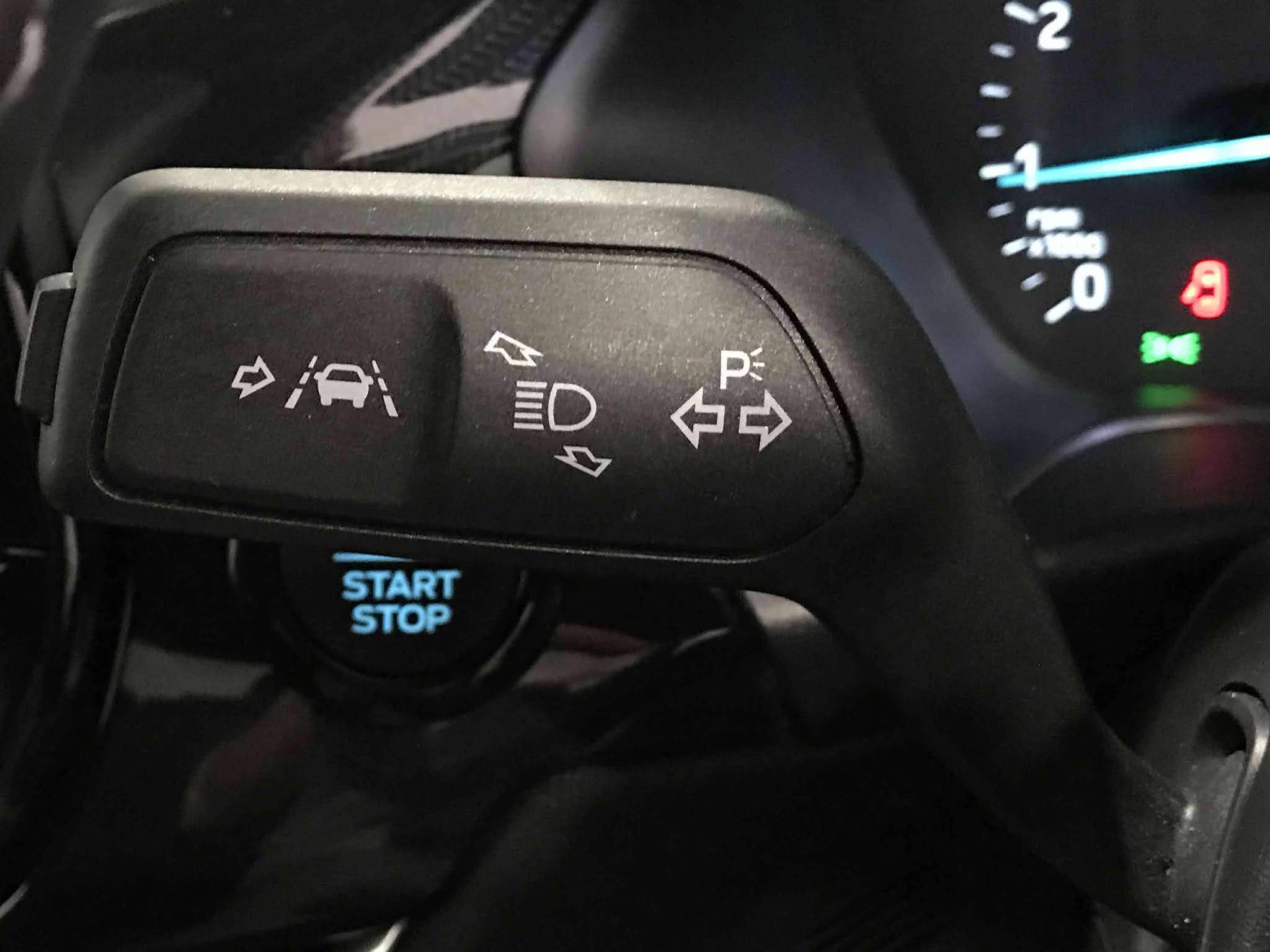
This type of switch can even be found in German cars 

"Giving a signal is not an instruction to other road users, it's a signal of our intentions which helps them make good decisions."

Signaling incorrectly or not at all is a certain trigger for an angry response from other road users and pedestrians alike. You may have heard the stereotype insult that BMW or Audi drivers don't signal, but the reality is that drivers of any vehicle are just as guilty. Failure to signal properly at roundabouts is one of the key reasons learner drivers struggle when trying to predict the actions of the other drivers. 

The expected standard is to give the correct signal, properly time this signal and in a situation where it is necessary to signal.

The 'correct' signal depends on which direction you intend to go, 'properly timed' means that it's not given so early that it has the potential to confuse someone or so late that they can't respond in time and 'where necessary' means when it is essential to avoid causing danger or potential danger.

If you get this wrong, then confusion can lead to mistakes and mistakes can lead to collisions. This is why other people often react angrily.

The actions of a good driver will be easily predicted. It is essential to use the Mirrors, Signal, Manoeuvre routine.

The use of signals is directly linked to situational awareness. Without this awareness it is simply left to chance whether you get it right or not. Before taking any action which involves changing speed, direction or signaling you will need to check all around so that you can make a good decision. 

I'm often told by pupils who are practicing with family or friends that they've been asked why they aren't signaling every time they move away from the side of the road or before pulling up to park. There seems to be an impression that this standard has somehow changed since they were taught to drive. The standards have been the same for decades - if you look around and you are sure that a signal is unnecessary, then there is no need to give one.

Simply signaling every time regardless of the situation leads to lazy or ineffective observations and doesn't help learners develop a good sense of situational awareness. 

A good driver will look all around, assess the risks and the need for a signal, and then give a signal where necessary and at the correct time.

"My Dad says I need to signal every time I pass a parked car."

Based on what you've just read, what's your answer to this question?

It's also important to remember that signals aren't just for other drivers. Pedestrians also need good information to avoid danger. Another common question is "do I need to signal at a junction where it says turn left only?" 

The answer to this is "If you think it might help someone decide not to cross the road, then it's necessary"

We can't assume that a pedestrian is aware that it's a left turn only junction.

Whilst we have been focusing on directional signals it's important to remember that there are other signals we can use. We have brake lights warning that we are slowing or stopping; we have reverse lights warning that we are reversing; we have hazard warning lights used to warn that we are causing a temporary obstruction or are slowing rapidly on a motorway or national speed limit dual carriageway and of course we still have arm signals at our disposal should we feel the need to support other signals.

One other less obvious signal of our intentions is to position correctly, this helps others interpret what we intend even if they can't see our signals. This will be the subject of a future blog.

Whichever signal you intend to use, you will need to be situationally aware before you use it.

On your next lesson, ask yourself "Do I need to signal? Which signal do I need? When should I signal?"

For expert driving tuition or driving tips visit my website www.udidit.co.uk