UDIDIT

UDIDIT
The home of high quality training.
Showing posts with label MSM. Show all posts

Sunday, 16 May 2021

Driving test tips - Use of Signals - Learn how and why they are important

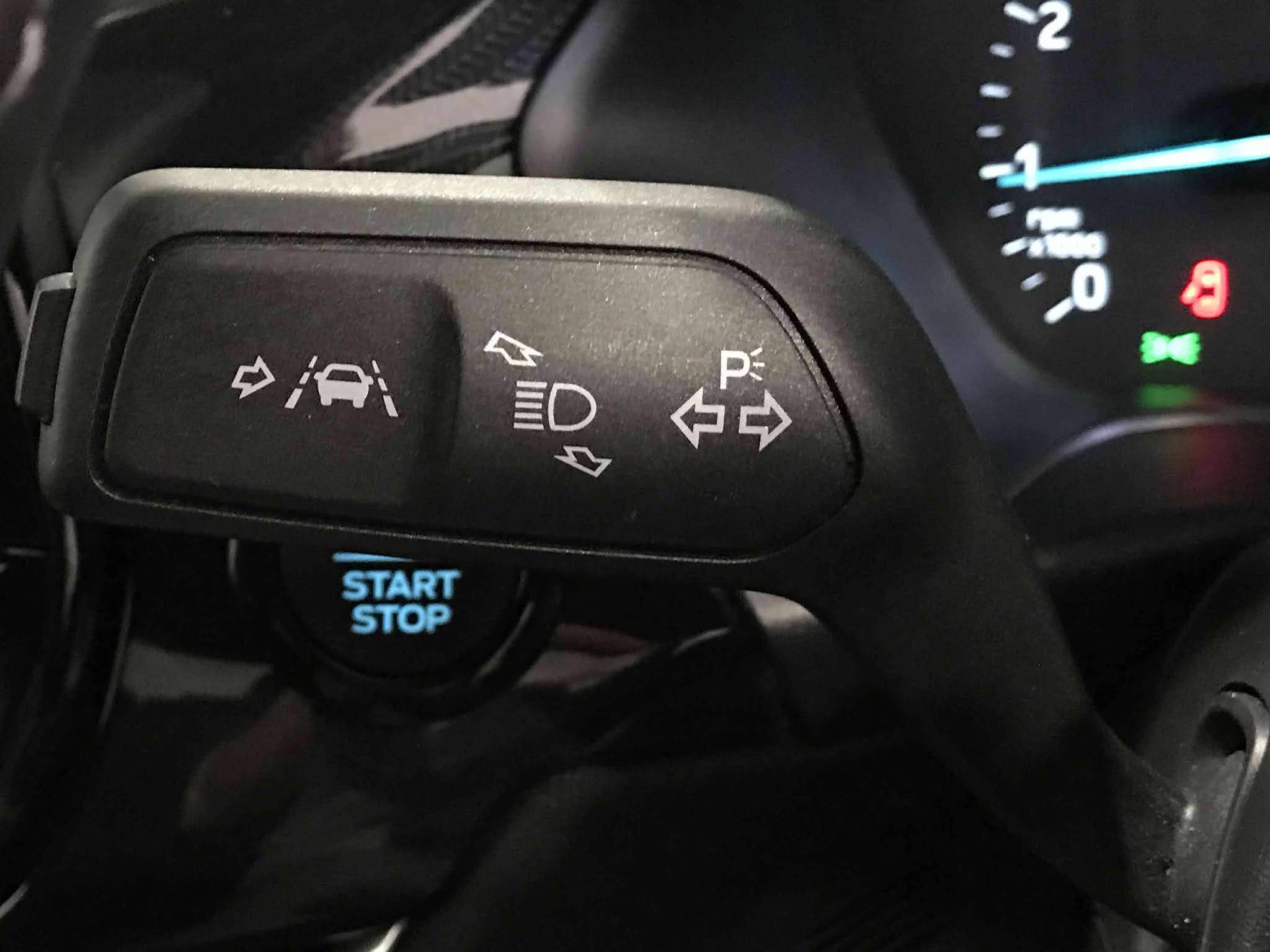
This type of switch can even be found in German cars 

"Giving a signal is not an instruction to other road users, it's a signal of our intentions which helps them make good decisions."

Signaling incorrectly or not at all is a certain trigger for an angry response from other road users and pedestrians alike. You may have heard the stereotype insult that BMW or Audi drivers don't signal, but the reality is that drivers of any vehicle are just as guilty. Failure to signal properly at roundabouts is one of the key reasons learner drivers struggle when trying to predict the actions of the other drivers. 

The expected standard is to give the correct signal, properly time this signal and in a situation where it is necessary to signal.

The 'correct' signal depends on which direction you intend to go, 'properly timed' means that it's not given so early that it has the potential to confuse someone or so late that they can't respond in time and 'where necessary' means when it is essential to avoid causing danger or potential danger.

If you get this wrong, then confusion can lead to mistakes and mistakes can lead to collisions. This is why other people often react angrily.

The actions of a good driver will be easily predicted. It is essential to use the Mirrors, Signal, Manoeuvre routine.

The use of signals is directly linked to situational awareness. Without this awareness it is simply left to chance whether you get it right or not. Before taking any action which involves changing speed, direction or signaling you will need to check all around so that you can make a good decision. 

I'm often told by pupils who are practicing with family or friends that they've been asked why they aren't signaling every time they move away from the side of the road or before pulling up to park. There seems to be an impression that this standard has somehow changed since they were taught to drive. The standards have been the same for decades - if you look around and you are sure that a signal is unnecessary, then there is no need to give one.

Simply signaling every time regardless of the situation leads to lazy or ineffective observations and doesn't help learners develop a good sense of situational awareness. 

A good driver will look all around, assess the risks and the need for a signal, and then give a signal where necessary and at the correct time.

"My Dad says I need to signal every time I pass a parked car."

Based on what you've just read, what's your answer to this question?

It's also important to remember that signals aren't just for other drivers. Pedestrians also need good information to avoid danger. Another common question is "do I need to signal at a junction where it says turn left only?" 

The answer to this is "If you think it might help someone decide not to cross the road, then it's necessary"

We can't assume that a pedestrian is aware that it's a left turn only junction.

Whilst we have been focusing on directional signals it's important to remember that there are other signals we can use. We have brake lights warning that we are slowing or stopping; we have reverse lights warning that we are reversing; we have hazard warning lights used to warn that we are causing a temporary obstruction or are slowing rapidly on a motorway or national speed limit dual carriageway and of course we still have arm signals at our disposal should we feel the need to support other signals.

One other less obvious signal of our intentions is to position correctly, this helps others interpret what we intend even if they can't see our signals. This will be the subject of a future blog.

Whichever signal you intend to use, you will need to be situationally aware before you use it.

On your next lesson, ask yourself "Do I need to signal? Which signal do I need? When should I signal?"

For expert driving tuition or driving tips visit my website www.udidit.co.uk

Saturday, 15 May 2021

Driving test tips - Parking on the right - Do this to avoid failing

In this blog I'm going to focus on the relatively 'new' driving test manoeuvre of pulling up on the right-hand side of the road and reversing two car's lengths parallel and reasonably close to the kerb and then rejoining any traffic flow on the left. Although you will not be asked to park between vehicles, the reverse element simulates reserving to improve your view before emerging from between parked vehicles.

The skills being tested are; 

  • choosing a safe, legal and convenient place to pull up on the right and pulling up safely
  • reversing under control, with effective observations before and during the reverse, reversing accurately
  • moving away safely and under control using effective observations before and during the move away to rejoin the flow on the left
The important skill it doesn't test is deciding whether or not you should choose to do this manoeuvre - this element is vitally important.

Introducing this manoeuvre to the test has caused the biggest stir among driving instructors, who for many years have passed on the best advice in the Highway Code (rule 239) which advises, among other things, "do not park facing against the traffic flow". 

This is still good advice and parking with the flow of traffic is preferred unless there's a very good reason not to.

It's important to note that during daylight hours it isn't actually against the law to park against the flow, it's just more risky than parking on the left, hence the Highway Code's good advice. However, if you choose to ignore this advice and cause a collision, this may be used against you to form a prosecution for careless driving or worse. 

"You MUST NOT park on a road at night facing against the direction of the traffic flow unless in a recognised parking space. Laws CUR reg 101 & RVLR reg 24"

What a driver with a good understanding of the rules and laws knows is that there are often exceptions for circumstances beyond their control. Highway Code rule 248 specifically tells you when this exception is. Your responsibility as a driver is to know when it is necessary to do something; when it is safe to do it and when it is legal.

Parking against the flow of traffic has additional dangers, such as; oncoming drivers misunderstanding your intentions; your headlights may be dazzling oncoming drivers and when parked your vehicle is displaying the wrong colour reflectors which can mislead other drivers in poor visibility conditions. 

If the Highway Code advises against this and it involves higher risk, then why would the DVSA include this in the driving test? 

Well, the key factors include the real-life 21st century issue where parking in many places has become more and more difficult due to increased car ownership. This has in turn forced local authorities to manage on-road parking more heavily. In my local city of Nottingham, it's almost impossible to park anywhere except in a recognised parking place and often there are parking restrictions on the left, leaving only the recognised spaces on the right. 

For years driving instructors hadn't been teaching pupils to park against the flow and yet as soon as they pass their driving test, these pupils, just like millions of other drivers each day, take to parking against the flow as if it's acceptable in any circumstance. Because driver education hasn't focused much attention on this, the risks weren't highlighted well enough. By including this in the test, driver educators can raise awareness of the risks and produce drivers who can make sound decisions - 

Is it always necessary? No!
Is it always safe? No!
Is it always legal? No!

It's a driver's responsibility to know when it is acceptable to do this manoeuvre.

Just like every other aspect of driving, if you do not recognise how risky your actions are likely to be in the particular circumstances you are facing, it can be very dangerous. A good risk assessment should always be made and you may even conclude that it would be best to find somewhere to turn around so you can park with the traffic flow.

Most on-road recognised parking places are well lit, however, at night you need to consider; will I dazzle the oncoming drivers? Should I switch to side-lights? Is it legal on this road to use only side-lights? Is visibility seriously reduced? Should I park off road? Will my reflectors confuse another road-user?

Another huge risk factor is crossing oncoming traffic to rejoin the flow on the left. Would you have a good view of the road? Are you aware of the vehicle's blind spots (van drivers especially)? If you can't see, is someone able to help (just like reversing into a side-road)? How could you improve your view (reverse, creep and peep)?

You see, there's always some level of risk in driving whatever you're doing but the decision to park against the flow - or anywhere else - is more than a matter of habit or because "I live there." 

Parking on the right can be done safely as long as you are aware of the problems you might have and by considering and managing the risks. 


For expert driving tuition or driving tips visit my website www.udidit.co.uk

Sunday, 9 February 2014

The Dummies Guide to Dealing With Learner Drivers - Part One

These tongue-in-cheek top tips have been inspired by the real-life “dummies” who every driving instructor encounter on our roads at some point in their career - if not daily. These are here for your enjoyment, but if you do recognise something in your own driving - well, maybe now is the time to change.

#1: When following a learner driver who inconsiderately stalls, quickly sound your horn a number of times. This has an instant calming effect on the learner and miraculously turns them into an experienced driver.

#2: Learner drivers need to frequently practice the ‘emergency stop’. When you see a learner who is driving slower than everyone else it's because they're giving you the chance to help. In these situations wait until they are really close before you surprise them by pulling out. The learner finds this highly educational and the instructor finds it highly amusing and greatly appreciates your kind assistance.

#3: When you want a learner driver to go faster, drive at high speed up to or close to their bumper. Many people believe this action compresses the air between the two vehicles, which in turn creates a shock-wave forcing the learner's foot down on the accelerator. (Caution: avoid this if someone is following Top Tip #2)


You know you're in trouble when even the dash looks scared....


#4: Learner drivers love the added pressure of having to move away quickly in front of an audience. If you encounter a learner driver who is waiting patiently at a crossroad, insist they take priority even if it isn’t theirs. You should do this by flashing your headlights and waving vigorously. If the learner doesn’t respond immediately, shake your head and drive on. Alternatively when they begin to emerge wait for 3 seconds and then implement Top Tip #2. (Note: If following a learner driver in these situations also see Top Tip #1)

#5: Learner drivers and their highly trained instructors frequently forget which type of vehicle they are driving, so if you see one driving along a temporary bus lane please pull alongside and shout "Do you know you're in a bus lane? You're not driving a bus hahaha!” Alternatively, you can draw the instructor’s attention by smugly driving past whilst shaking your head in disbelief.

#6: A full driving licence is coated in a chemical substance causing amnesia. Sadly this causes many people to forget that they too had to learn to drive. One of the many side-effects of this condition is an extreme feeling of possessiveness, making you believe you own the road generally but especially the bit outside your property or a nearby junction. Unfortunately there is no known cure for this condition. Caution: If you see a learner practising a manoeuvre outside your house; avoid contact with the instructor; avoid standing at your lounge window with your hands on your hips; instead go into a darkened room and scream into a pillow.

#7: Many new cars are fitted with hill-start assist. However, to be on the safe side, should you see a learner driver stopped at traffic lights on a steep hill, you can help by pulling up as close behind their vehicle as possible. Firstly, your show of confidence in their expert clutch control instantly reassures them and secondly your car prevents them from rolling backwards if they have a sudden lapse of expertise. (Also see Top Tip #1)

#8: Driving instructors go through three stringent exams before being allowed to teach. However, no one is perfect and bearing in mind that nothing has changed since the 1960’s, please feel free to correct their errors by sharing the in-depth knowledge of driving you gained during the six hours of tuition you had way back when.

#9: The space in front of a learner vehicle is subject to an optical illusion known as the "Tardis Effect". This phenomenon - similar to a ‘mirage’ - is caused by light reflecting off the L-plate and thus making a space big enough for one vehicle, appear capable of accommodating at least four vehicles. (Also see Top Tip #2) 


#10: When encountering a learner in lane one of a two lane road you can help their instructor demonstrate the blind spots by playing “now-you-see-me-now-you-don’t”. Here’s how; when you see them approaching an obstruction, quickly dart into lane two without signalling and hide in the learner driver’s blind spot and remain there for some time. If you suspect the learner has seen you, drop back until you're confident they can't. Stay where you are until they signal, then quickly reappear. This helps them practice braking. Alternatively sound your horn to keep them calm. (See Top Tip #1)

Remember, if you are a dummy, I don't want to be patronising (that means treat you like you're stupid) but these tips are for comedy value only, please don't take them literally. 

Thankfully, in reality, the vast majority of road users we encounter whilst we're out there teaching are patient and courteous. Both the learner and their instructor try their best not to inconvenience anyone and always appreciate your understanding if we do delay you slightly - even if we can't say thank you personally :)


Continued in Part Deux..... http://studidit.blogspot.co.uk/2014/02/the-dummies-guide-to-dealng-with.html


©Stu Walker 2014